
Vienna by Bus: A Weekend Guide to the Imperial Capital
Vienna by bus is easier than you think — and cheaper than a flight. Here's how to arrive, what to see in a weekend, where to eat like a local, and why the Viennese coffee house might be the greatest institution in Europe.
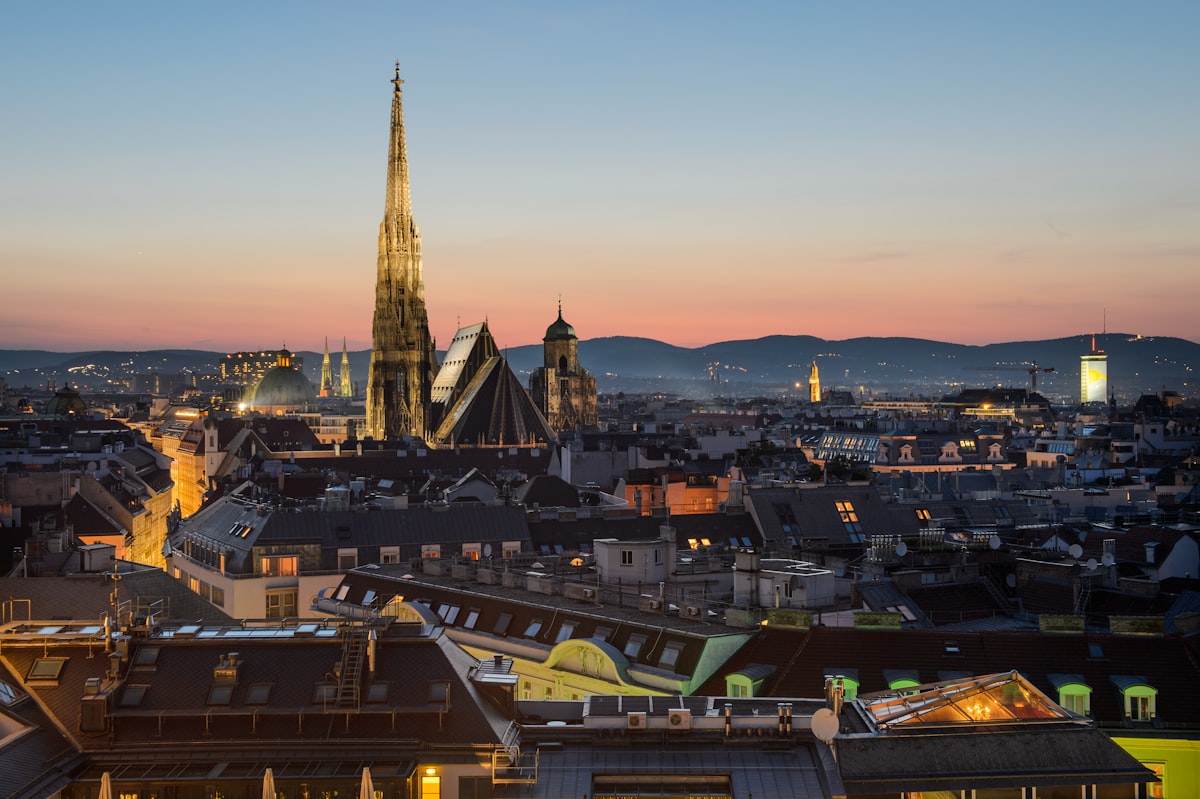
Vienna: The City That Perfected the Art of Living
There's a reason Vienna consistently ranks among the most liveable cities in the world. It has world-class museums, a public transport system that actually works, coffee houses where you can sit for three hours over a single Melange and nobody will rush you, and architecture so grand it makes you feel underdressed. And getting there by bus from Central and Eastern Europe costs a fraction of a train or plane ticket.
From Prague, the journey takes about 4.5 hours. From Budapest, around 3.5 hours. From Bratislava, just 1.5 hours — one of the shortest international bus routes in Europe. Vienna is a natural hub, and the bus connections reflect that.
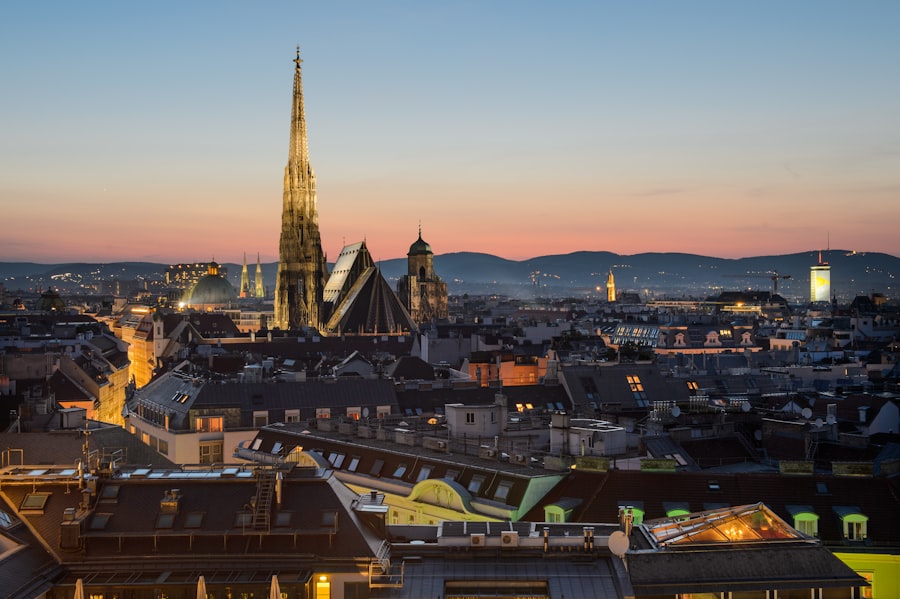
Arriving at Vienna Erdberg
International buses from Eastern Europe typically arrive at Erdberg bus terminal (Busterminal Wien), located in the 3rd district. It's clean, modern, and directly connected to the U3 metro line — five stops from the city centre. The journey to Stephansplatz (St. Stephen's Cathedral, the very heart of the city) takes about 10 minutes.
Vienna's public transport is excellent. A single 24-hour pass costs €8 and covers metro, tram, and bus across the entire city. A 48-hour pass is €14.10. Buy at the machines in the station — they have English menus. Validate your ticket before boarding and keep it.
Some buses also stop at Wien Hauptbahnhof (the main railway station), which has even better connections and is surrounded by hotels if you're arriving late and want to be close to transit.
The Ringstrasse: Vienna's Imperial Boulevard
Start your Vienna experience on the Ringstrasse — the grand boulevard Emperor Franz Joseph I commissioned in the 1860s to showcase Habsburg power. Along this 5-kilometre ring road sit the Vienna State Opera, the Kunsthistorisches Museum (Art History Museum), the Naturhistorisches Museum, the Parliament, the Rathaus (City Hall), and the Burgtheater. It's the most concentrated mile of monumental architecture in Europe, and you can walk the whole thing for free.
The museums themselves are not free, but they're extraordinary. The Kunsthistorisches alone houses one of the finest collections of Old Masters in the world — Vermeer, Rembrandt, Caravaggio, Velázquez — and the building itself is a work of art. The Vienna Museum Pass (€29) covers most major museums for 14 days and is worth it if you're planning more than two visits.

Schönbrunn Palace: Half a Day Well Spent
Schönbrunn Palace, the Habsburgs' summer residence, is a 45-minute walk or 15-minute metro ride from the centre. The palace complex is enormous — 1,441 rooms — but you only need to buy a ticket for the parts you want to visit. The Grand Tour (40 rooms, €26) is thorough; the Classic Tour (22 rooms, €19) is fine for most visitors.
What many visitors miss is the Schönbrunn garden, which is completely free to walk in. The formal French gardens lead up to the Gloriette — a triumphal arch on the hilltop — from which the view over the palace and the city beyond is genuinely spectacular. Go in the late afternoon for the best light.
The palace also has an excellent café in the orangery. Prices are higher than the city average, but the setting justifies a coffee and Apfelstrudel.
The Viennese Coffee House: A Cultural Institution
This deserves its own section because the Viennese coffee house is not just a place to drink coffee — it's a way of life that UNESCO recognises as intangible cultural heritage. You sit, you order (a Melange is the classic: espresso with hot milk, like a cappuccino but more refined), you get a glass of water on the side, and you can stay as long as you like reading newspapers, people-watching, or working.
The best historic coffee houses:
- Café Central (1st district): Stunning neo-Gothic interior under vaulted arches. Freud, Trotsky, and Stefan Zweig were regulars. Arrive before noon to avoid the queue.
- Café Landtmann (1st district): Next to the Rathaus, traditional and slightly less touristy. Excellent Torte selection.
- Café Hawelka (1st district): Small, dark, bohemian. Open since 1939, still run by the founding family. Famous for Buchteln (baked dumplings) after 10pm.
For a local neighbourhood coffee house without the tourist markup, head to the 7th district (Neubau) or 8th district (Josefstadt) — quieter, cheaper, and genuinely Viennese.
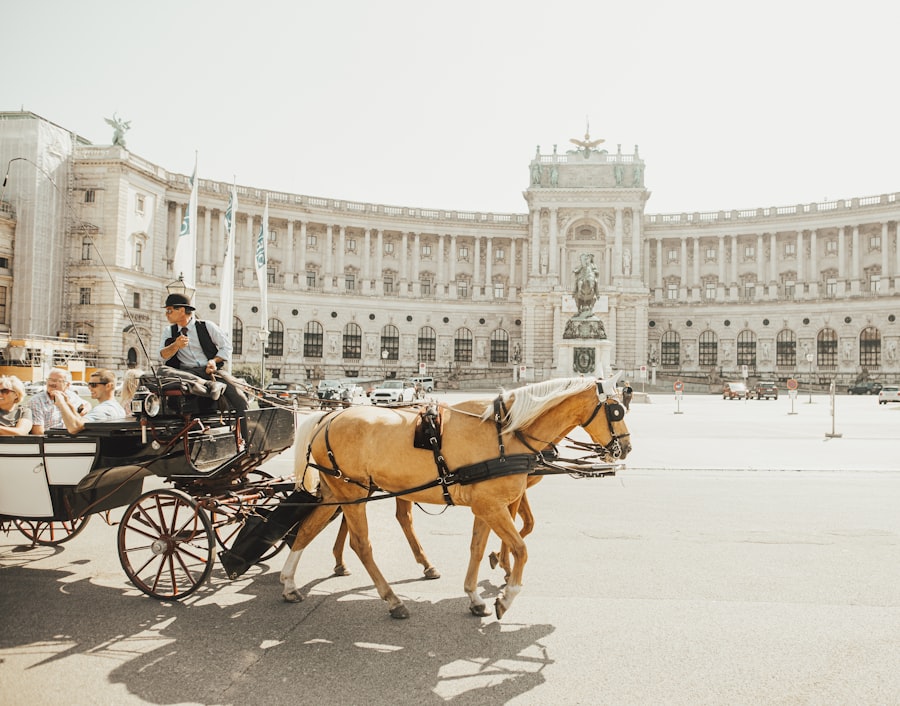
Naschmarkt: The Best Place to Eat Cheaply in Vienna
Vienna is not a cheap city, but the Naschmarkt — the city's main outdoor market stretching along the Wienzeile — is where you can eat extremely well for very little. Over 120 stalls sell everything from Turkish gözleme to Greek olives, fresh Lebanese flatbreads, Austrian Liptauer cheese, fish rolls, and fruit.
Saturday mornings are best (there's also a flea market on Saturdays). Weekday lunchtimes are surprisingly quiet. Budget €6–10 for a satisfying lunch here. It's also an excellent place to pick up provisions for your bus journey onward.
Getting Around and Practical Tips
- Public transport is the only way to move around the city. The U-Bahn (metro) is clean, frequent, and covers all major areas. Trams are slower but scenic.
- Free sights: The Ringstrasse walk, Schönbrunn garden, the Prater park (and its famous Riesenrad ferris wheel from the outside), the MuseumQuartier courtyard, and St. Stephen's Cathedral interior are all free.
- Tap water in Vienna comes from the Alps and is genuinely excellent. Fill your bottle freely.
- Language: German, but English is universally spoken in tourist areas. "Bitte" (please) and "Danke" (thank you) are appreciated.
- Book your return bus early: Vienna is a popular departure point and seats on the busier routes sell out.
Vienna is a city that asks you to slow down. Don't try to see everything in a weekend — pick a few things, do them properly, and spend the rest of the time in a coffee house pretending to be a 19th-century intellectual. That is, genuinely, the correct way to experience this city.



Comments