
Prague by Bus: The Complete First-Timer's City Guide
Everything you need to know about visiting Prague by bus — arrival terminals, must-see sights, where to eat, and how to navigate the city on a budget.
Why Prague Should Be Your Next Bus Trip
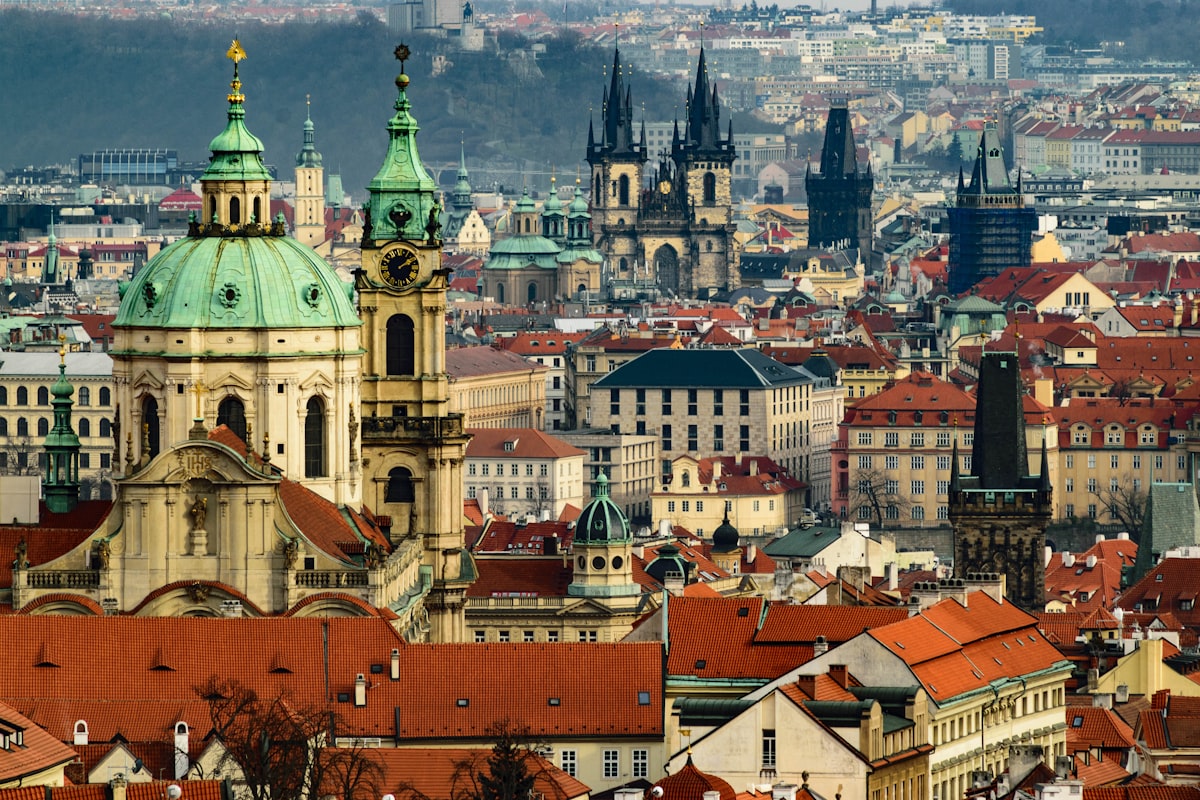
Few cities in Europe manage to pack so much into such a compact, walkable area as Prague. Gothic cathedrals, baroque palaces, art nouveau cafés, and cobblestone alleyways — the Czech capital feels like a living museum, yet buzzes with modern energy. And the best part? Getting there by bus from almost anywhere in Central and Eastern Europe is remarkably easy and affordable.
Whether you're coming from Vienna, Berlin, Warsaw, or Bratislava, the intercity bus network connects Prague to the rest of the continent with comfortable, air-conditioned coaches and surprisingly short travel times. This guide covers everything you need before your first visit.
Arriving in Prague by Bus
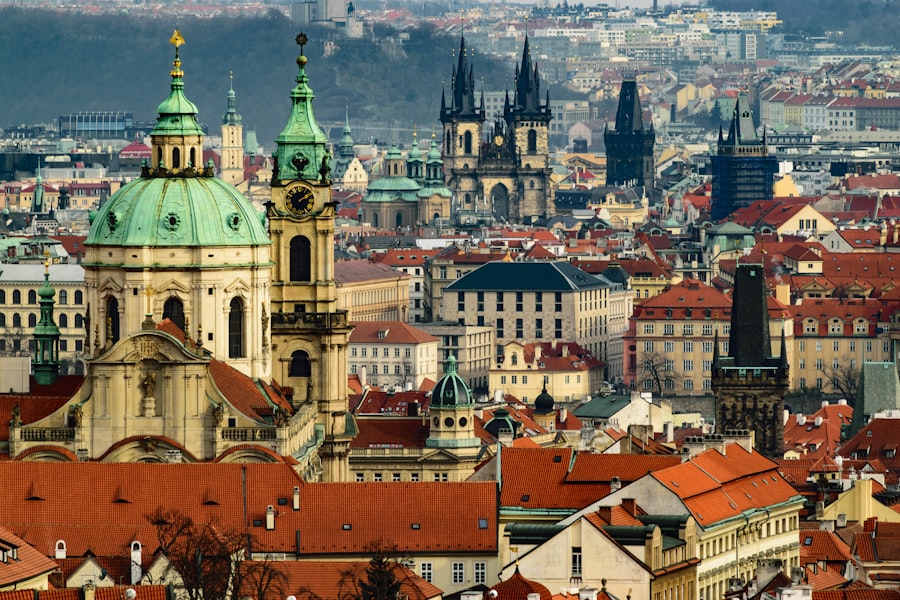
Most international buses arrive at Praha Florenc — the main bus terminal located about 10 minutes from the city centre by metro. The station sits at the junction of metro lines B and C, so you can reach Wenceslas Square in under 10 minutes and the Old Town in about 15. Signs at the terminal are clear and in multiple languages, so orientation is easy even for first-time visitors.
Some FlixBus and RegioJet routes also terminate at Praha Zličín on the western edge of the city (metro line B terminus), which is useful if your accommodation is on that side of town. Check your ticket — the arrival point matters.
Buy a 30-minute single ticket (34 CZK, roughly €1.40) from the yellow vending machines at the metro entrance — they have English menus. A 24-hour pass costs 120 CZK and is excellent value if you plan to move around during the day. Validate your ticket before boarding and keep it until you exit — inspectors do check.
The Old Town: Where Prague's Heart Beats
No visit to Prague is complete without spending several hours in Staré Město (Old Town). The centrepiece is the Old Town Square, where the medieval Astronomical Clock (Orloj) performs its mechanical show every hour. The square itself is endlessly photogenic — surrounded by Gothic and Baroque facades painted in ochre, coral, and sage green, it looks almost unreal on a clear morning.
Walk five minutes in any direction and you'll find the twin-spired Týn Church, the Jewish Quarter (Josefov) with its six centuries of history, and dozens of hidden passages leading to quiet courtyards. The entire district is a UNESCO World Heritage Site, and you'll understand why within minutes of arriving.
A practical tip: the Old Town is most magical before 9am and after 7pm, when the tour groups thin out. If you're a morning person, a pre-breakfast walk here is one of the best free experiences in Europe.
Charles Bridge and the Lesser Town
Crossing Charles Bridge (Karlův most) is a Prague ritual. The 14th-century stone bridge spans the Vltava River and is lined with 30 Baroque statues of saints, each with its own legend. Go before 8am — the bridge is almost empty, the light is golden, and you can appreciate the craftsmanship without being jostled by selfie sticks.
On the west bank, Malá Strana (Lesser Town) unfolds in a tangle of cobblestone streets, embassy gardens, and neighbourhood wine bars. This is where locals live, and the restaurants here charge half of what you'd pay on the tourist circuit. Try the duck confit or the svíčková (beef in cream sauce) in any pub that doesn't have a menu photo-board outside — that's a reliable heuristic for authenticity.
From Malá Strana, the climb to Prague Castle takes about 15 minutes on foot. The castle complex is the largest ancient castle in the world by area and houses multiple museums, the stunning St. Vitus Cathedral, and some of the best rooftop views in Central Europe. Entry to the castle grounds is free; individual museums require a ticket.
Where to Eat Without Breaking the Bank
Prague remains considerably cheaper than Western European capitals, but only if you step away from Old Town Square. Here's a realistic breakdown:
- Traditional Czech lunch (guláš, svíčková, smažený řízek): 150–220 CZK (€6–9) at any local pub in Vinohrady or Žižkov
- Beer: Czech pilsner — Pilsner Urquell, Kozel, Budvar — costs 45–65 CZK (€1.80–2.60) at a normal pub. One of the best beers in the world at one of the best prices in Europe.
- Coffee: Prague has an excellent specialty coffee scene. A flat white at a third-wave café runs 70–90 CZK (€2.80–3.60).
- Supermarkets: Albert and Billa are everywhere. A solid deli lunch from the counter costs almost nothing — buy it, eat by the river.
For a proper evening meal, head to Vinohrady — a residential neighbourhood 15 minutes by tram from the centre, packed with excellent restaurants at honest prices.
Day Trips from Prague
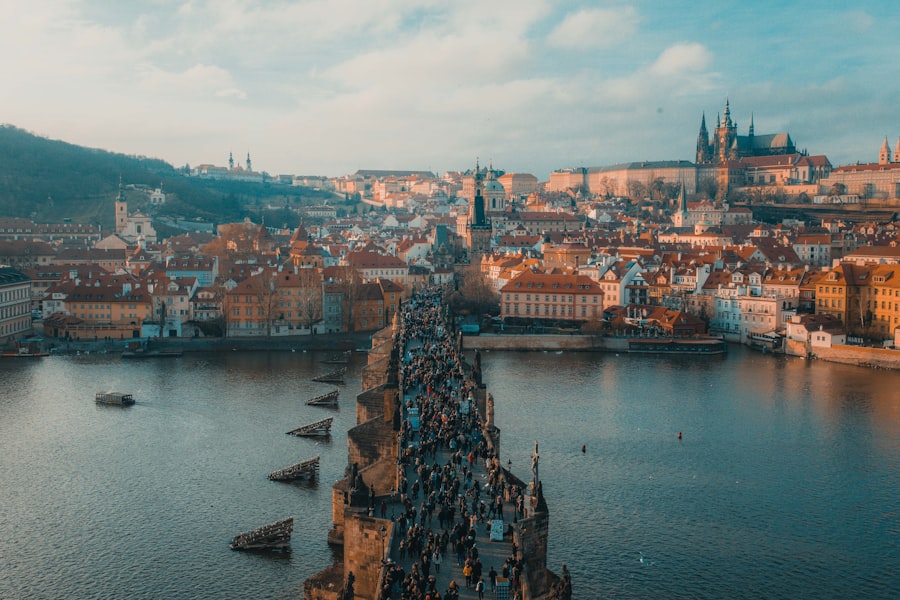
Prague sits at the heart of Bohemia, surrounded by stunning day-trip destinations:
- Český Krumlov (3 hrs by bus): A fairy-tale town with a Renaissance castle reflected in a river bend. One of the most beautiful small towns in Central Europe. Student Agency buses run from Florenc several times daily.
- Kutná Hora (1.5 hrs by train): Home to the extraordinary Sedlec Ossuary — a church decorated with human bones — and a well-preserved medieval silver-mining town. UNESCO-listed.
- Karlovy Vary (2 hrs by bus): The famous spa town of colonnaded promenades and hot mineral springs. Elegant, relaxed, and very photogenic.
Practical Tips Before You Go
- Book bus tickets in advance on popular routes — Prague is a major hub and FlixBus seats sell out quickly on weekends and in summer.
- Currency: The Czech Republic uses the Czech Crown (CZK), not the euro. Exchange at a bank or use your card — avoid the exchange booths in the Old Town, which charge ruinous fees.
- Luggage storage: Praha Florenc has lockers so you can explore before checking in.
- Language: English is widely spoken in the centre. Learn "Děkuji" (thank you) and you'll already be ahead of 90% of tourists.
Prague rewards those who arrive curious and leave their itinerary a little loose. Get lost in Malá Strana. Find a pub without an English sign. Sit on the riverbank at sunset and watch the castle turn gold. The city has been enchanting travellers for centuries — it will do the same for you.



Comments