
Bus vs Plane in Europe: Real Costs, Travel Time and CO₂ Compared
Is flying really cheaper in Europe? We compare the true door-to-door cost, travel time and CO₂ impact of buses versus planes on popular Central European routes.
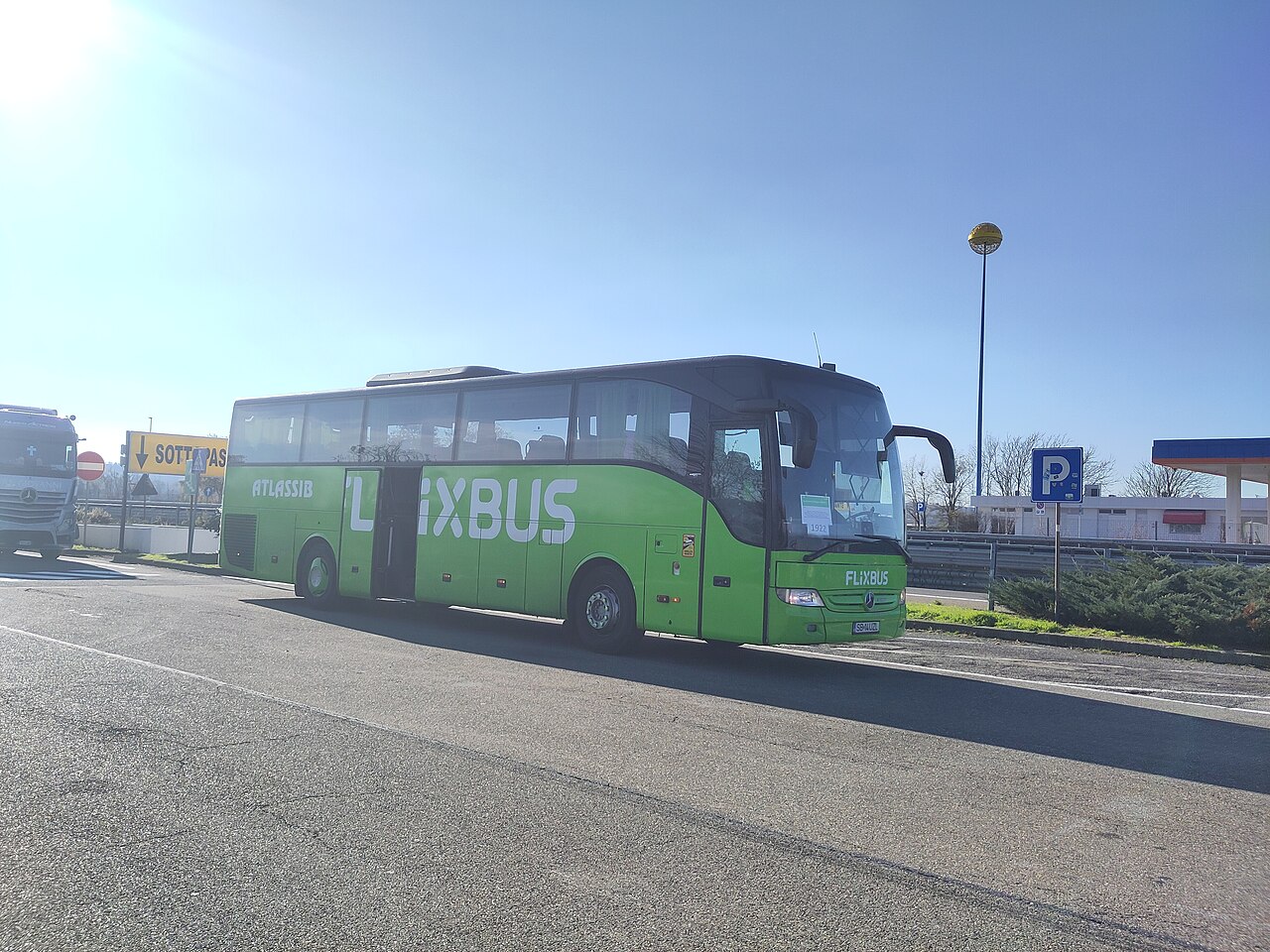
The Real Question
A €9 Ryanair ticket looks impossible to beat. But once you add luggage fees, airport transfers, check-in time, and the environmental cost — the picture changes dramatically. Here is an honest breakdown on real Central European routes.
True Cost: What You Actually Pay — Warsaw → Berlin
| Cost item | Bus (FlixBus) | Plane (Ryanair/Wizz) |
|---|---|---|
| Base ticket | €15–25 | €9–30 |
| Cabin bag or luggage | Included | €10–30 extra |
| Airport transfers (both ends) | €0 (city centre) | €15–40 |
| Food & drinks | Bring your own | €10–20 at airport |
| Total realistic cost | €15–30 | €44–120 |
The bus wins on price — often by a factor of 2–4x when you count all real costs.
Door-to-Door Travel Time
The flight time Warsaw–Berlin is just 1h 20min. But that is not your travel time: add 60 min to airport, 75 min check-in and security, 25 min landing and baggage, 45 min transfer to city centre. Total: approximately 4.5–5 hours. The bus from Warsaw Zachodnia to Berlin ZOB takes 6–8 hours — but drops you directly in the city centre. The real gap is just 2–3 hours.
CO₂: The Environmental Numbers
- Long-distance bus: ~27 g CO₂ per passenger-kilometre (FlixBus data)
- Short-haul flight: ~255 g CO₂ per passenger-kilometre
On the 570 km Warsaw–Berlin route: one flight passenger generates ~145 kg of CO₂. The same journey on a full bus: ~15 kg. That is nearly 10 times less. If sustainable travel matters to you, choosing the bus is the single most impactful decision per trip.
When the Plane Wins
Be honest: there are real situations where flying makes sense — distances over 1 000 km (e.g. Warsaw to Lisbon), when every hour is genuinely expensive, or when no bus connection exists.
When the Bus Wins
For most journeys under 800–1 000 km in Central and Eastern Europe: no airport stress or luggage restrictions, city centre to city centre drop-off, 2–4× lower real total cost, and up to 10× lower CO₂ footprint. You can sleep, read or work — without turbulence or airline rules.




Comments